
Interior designers constantly search for ways to grow revenue without scaling overhead dramatically. You've probably noticed that while hourly rates plateau, product markups remain flexible. LED neon signs offer exactly this opportunity. It's a legitimate upsell for your interior design work.
Step into any upscale home or busy restaurant these days, and you'll spot that characteristic glow. Neon signs have become one of the best upsells available to design professionals, almost without fanfare. We're talking real 30-40% markup potential on items your clients genuinely want.
Here's why this works: neon signs create immediate visual impact. Clients see the change the moment they walk in. When they notice dramatic improvement, they stop questioning your pricing. Even better? Installation requires far less of your time compared to furniture sourcing or custom millwork.
This guide shows interior designers how to profit from neon sign projects while providing genuine value to both residential and commercial clients.
Whether you're working with boutique hotels or suburban homes, you'll find practical ways to add LED neon signs to your interior design services.
What Interior Designers Need to Know About Neon Sign Technology
Before pitching neon signs to clients, understand the product. Traditional neon signs use electrified noble gases sealed in glass tubes. Voltage activates that iconic glow. Red comes from actual neon gas. Other colors? Different gas combinations with fluorescent coatings.
That approach no longer works well for interior design. LED neon signs changed this entirely.
LED neon (also called LED flex) packs light-emitting diodes into silicone or PVC tubing. It delivers the traditional neon look while running on just 12-24V with minimal electricity. Think of it as the practical solution that fixes every issue the original had.
Why this matters for your work: Lower voltage means simpler installation, reduced project costs, and faster completion. You can handle most installations without hiring specialized electricians. That keeps more profit in your pocket instead of paying contractors.
LED Neon Sign vs Traditional: What to Recommend to Design Clients
Clients don't care about technical specifications. They want smart recommendations. Here's how these technologies actually differ:

Traditional Glass Neon Sign:
-
Needs 4,000-15,000 volts (major liability)
-
Gets hot enough to burn skin
-
Breaks easily from impact
-
Lasts around 8-10 years
-
Requires specialized installation
-
Each color needs a different gas
-
Expensive repairs that cut into budgets
LED Neon Sign for Interior Spaces:
-
Safe 12-24V operation
-
Stays cool to the touch
-
Nearly unbreakable silicone housing
-
Runs 50,000+ hours (15+ years of continuous use)
-
Bends to fit any design
-
RGB capability for unlimited colors
-
Easy enough for DIY installation
For interior design, LED neon sign wins every time. You can link it to smart home systems, program color changes, and offer app control. Features that command premium prices include remote control capability and unlimited color options. Traditional neon can't compete.
Business reality: LEDs' durability means fewer warranty calls and client complaints. That protects your reputation and eliminates unpaid work.
Why Are Smart Designers Adding Neon Signs to Their Interior Design Services?
LED neon signs are a growing market. In 2024, the industry was worth $2.62 billion. By 2035, it's expected to hit $7.26 billion. Another study shows growth from roughly $1.5 billion in 2024 to $2.65 billion by 2030, with annual increases of 6.4% to 9.7%.
Markets growing this fast create real opportunities. Get in early, and you'll see larger returns.

The Business Case: Why Interior Designers Partner With Neon Sign Suppliers
Smart designers know the value here. Working with neon sign makers brings in $1,500- $4,000 per month from bulk orders and steady referrals. This is real business growth, not theory.
Consider a typical project. You already mark up furniture 20-35%. Neon signs follow the same model, except they're simpler to source and faster to install. One designer call, one custom order, one installation adds $500-$2,000 to your project fee with minimal time commitment.
From Commercial to Residential: Riding the Market Wave
Neon signs started in storefronts and bars. Then designers brought that vibe indoors. First in upscale hotels, then private homes. The pandemic pushed this forward as people invested heavily in their own spaces.
Your clients want spaces that feel intentionally designed, not just decorated. When you add neon signs, you immediately deliver personality. A meaningful quote. A custom symbol. Their family name glowed above the entry. This feels deeply personal, which means clients pay premium prices without pushback.
Designer advantage: When you specify neon signs, you create more than just placement; you create moments people want to photograph. Every social media post your client shares becomes free marketing for your firm. That visibility attracts new clients seeking the same level of design quality.
Market Growth Numbers Every Interior Designer Should Know
The U.S. market alone reached $6.9 billion in 2024 and is expected to hit $10.3 billion by 2030. The neon lighting sector was around $1.3 billion in 2023, with forecasts hitting $2.5 billion by 2032. That represents 7.2% annual growth.
Research shows that businesses that add neon signage report up to a 30% increase in sales. Commercial clients care about results, not just how things look. This covers your design fees and product costs.
LED Neon Signs for Your Interior Design Projects: The Upsell That Sells Itself
Beyond the technical details, here's what matters for your business:

Energy Efficiency
Client Savings: LED neon signs cut electricity use by 80-90% compared to traditional glass-tube neon signs. Your clients pay about $10-15 per year to run it continuously. Glass neon runs $60+ annually. When you show clients these numbers, they see value rather than expense.
Safety
Reduced Liability: Low voltage eliminates the risk of shock: no mercury, no toxic gases, no environmental disposal concerns. Your professional liability insurance benefits, and so do residential clients with children.
Installation
Higher Margins: The lightweight, flexible design installs in minutes with adhesive backing or basic brackets. No specialist electrician needed for standard residential work. That means you control installation costs rather than splitting fees with subcontractors.
Customization
Premium Pricing: Smart RGB versions let clients change colors on their phones. This isn't possible with sealed gas tubes. When you offer this level of customization, clients are willing to pay higher prices. They expect to pay more for something made specifically for them.
Durability
Fewer Callbacks: Silicone housing absorbs impacts that would break traditional neon signs. It works well in commercial spaces and homes with kids and pets. You spend less time on warranty claims and stay focused on billable work.
Lifespan
Long-Term Client Satisfaction: LED neon signs last 50,000-100,000 hours. Traditional neon signs last 10,000-20,000 hours. Clients remember designers who specify products that last. That drives referrals, your most cost-effective marketing.
Neon Sign Color Psychology: Upselling the Right Mood
Color does more than look attractive. It shapes buying decisions. When you understand color psychology, you guide clients toward options that genuinely serve their spaces.
Warm Colors for Active Spaces

Red grabs attention. Restaurants position red neon near entrances to boost appetite and drive urgency. For residential work, please place it in entertainment areas or home gyms. Commercial clients pay extra for colors that influence customer behavior.
Orange sparks creativity and conversation. It's friendlier than red, less intense. Recommend it for collaborative office spaces, art studios, or family gathering zones. The psychology justifies the investment.
Yellow spreads happiness. Pure good vibes. Works beautifully in kitchens, breakfast nooks, or creative areas. When you explain that yellow triggers happiness in people's brains, clients understand why they should buy it.
Pink ranges from calming to energetic based on how bright it is. Soft pinks work beautifully in bedrooms. Hot pinks work well in retail and hospitality settings. They give spaces a modern feel. Pink also works across different project types, which makes it easy to upsell to more clients.
Cool Colors Build Trust and Calm

Blue signals trust and calm. Banks use it for a reason; it suggests dependability. Consider blue for home offices, bedrooms, or wellness spaces. When you explain the psychology behind it, clients understand why it works.
Green reminds us of nature and balance. It feels refreshing without jarring. Health and wellness brands use green for a reason. At home, it fits nicely in meditation spaces or offices where you need to concentrate.
Purple conveys luxury and creativity. Upscale boutiques and creative studios use purple to communicate premium positioning. When you specify purple for high-end residential or commercial work, you reinforce the luxury your clients already invested in.
Neutral Tones for Maximum Flexibility
White and warm white neon colors adapt to any room. They add luminous touches without forcing strong emotional reactions. Cool white (5000-6500K) works well in minimalist spaces.

Warm white (2700-3000K) creates a comfortable atmosphere. It fits well with Scandinavian or transitional design.
Business tip: Neutral tones sell easily because they work with almost any color scheme. When clients aren't sure which color to pick, suggest neutral neon's. It reduces their decision fatigue and helps them close the sale faster.
Room-by-Room Upselling Strategy for Interior Designers
Smart designers know where to place neon signs for maximum client impact and profit.
Living Rooms: The Signature Upsell
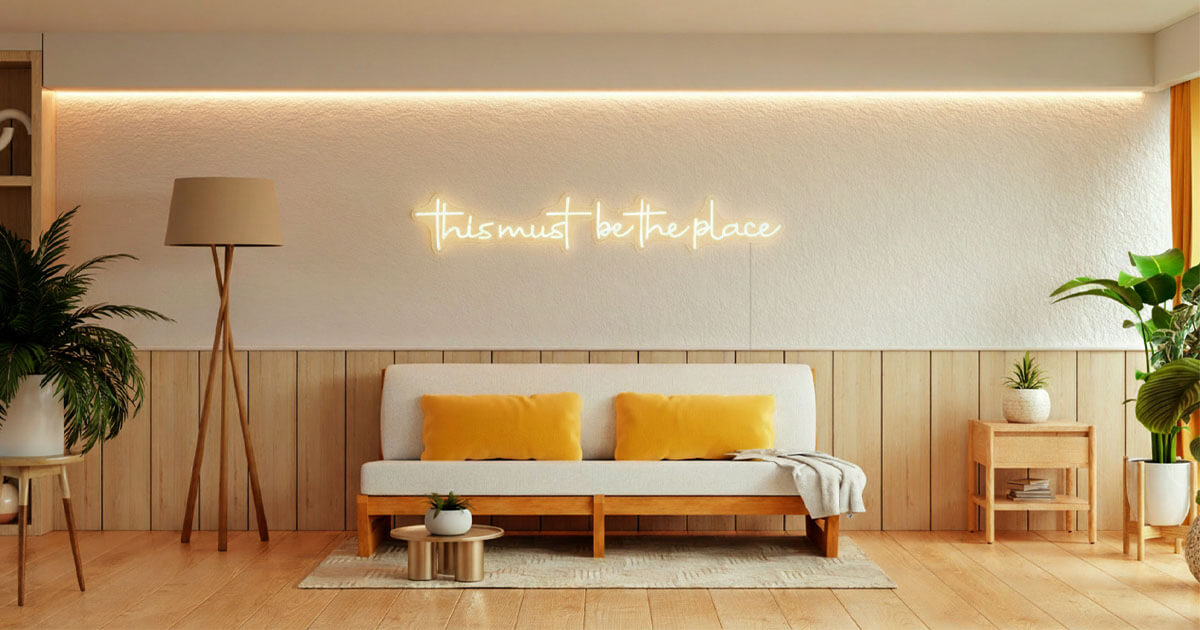
Living spaces offer your biggest upselling opportunity. The wall above the seating practically invites something special. A custom neon sign here becomes the room's centerpiece and your project's hero shot for social media.

Designer profit potential: A custom neon sign for a living room typically retails for $300-$800. With standard 20-35% designer markup, you're adding $60-$280 to your project fee for roughly two hours of sourcing and coordination.
Layer neon with existing artwork. Frame a beloved painting or photo with a warm white neon outline to create a gallery-style impact. This positions you as thoughtful and detail-focused. These qualities justify premium designer fees.
Sizing guidance: For a typical 84-inch sofa, recommend a 36-48-inch neon sign to keep proportions balanced. Too small disappears; too large overwhelms. Getting sizing right demonstrates expertise and prevents client disappointment.
Bedrooms: The Premium Upsell
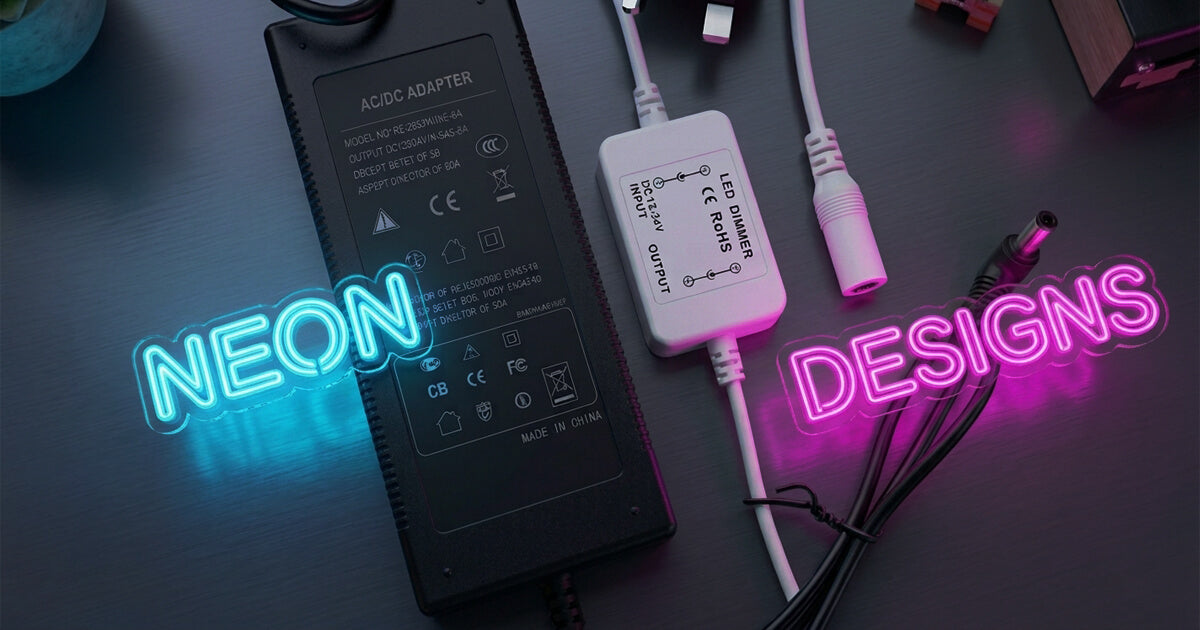
Bedrooms require dimmer switches. Non-negotiable. That "requirement" actually creates an upsell opportunity—smart neon signs with app-controlled dimming cost more, which means higher revenue for you.

Position neon sign above the headboard at 0.5x to 0.9x bed width. For a queen bed (60 inches), that's 30-54 inches wide. This specification shows professional knowledge and prevents the "it doesn't look right" complaint.
Color selection matters here. Soft pinks, lavenders, white and warm whites encourage restful sleep. Bright blues or intense reds? Wrong choice. When you guide clients away from mistakes they would make on their own, you've proven your value.
Designer profit: Bedroom or man cave neon sign ranges $200-$600 retail. Your 20-35% markup adds $40-$210 with minimal time investment. Better yet, bedroom projects often lead to whole-home referrals, your most valuable client source.
Kitchens & Dining: The Functional Upsell
Kitchens serve dual purposes, which gives you two angles to work with.

Practical route: LED neon strips under cabinets provide real task lighting plus contemporary style. This genuinely improves how the kitchen functions, not just adds decoration. When you solve problems while adding style, clients buy without hesitation.
Visual approach: Food-themed neon near breakfast bars or above dining tables adds personality. A coffee cup, playful food quote, or utensil shapes celebrate the space's purpose. Warm shades like orange and yellow boost appetite and encourage gathering through psychological mechanisms that justify the investment.
Business advantage: Kitchen neon sign typically costs $150-$400 retail. Quick sourcing, easy installation, immediate visual payoff. That's efficient revenue.
Home Offices: The Video-Call Background Upsell
Remote work turned home offices from afterthoughts into essential spaces. Motivational or inspirational neon signs positioned in video call backgrounds creates professional yet personal backdrops.

Business owners should consider a neon sign company logo for quiet branding during virtual meetings and for genuine design interest in the workspace. This upsell serves both function and aesthetics.
Placement rule: Position the neon sign behind or beside the desk, never directly behind the screen. This prevents client complaints about glare while showing attention to practical details.
Designer opportunity: Office neon sign costs around $200-$500 retail. For professional clients, the ROI is obvious. Every video call reinforces their brand. When you frame it as a business investment rather than decoration, price resistance disappears.
Entryways: The First Impression Upsell
First impressions stick, which makes entryway neon sign an easy sell. A "Welcome" or "Directional" neon sign works. But consider using family names, meaningful words, or abstract shapes that match the interior style instead.

Designer profit: Entryway neon sign pieces typically retail for $150-$400. Small spaces need modest signs (12-18 inches); grand entries handle bold pieces (36+ inches). Sizing guidance demonstrates professionalism and prevents buyer's remorse.
Commercial Projects: Where Interior Designers Make Serious Money
Commercial installations generate higher revenues because budgets are larger and clients understand business ROI.
Restaurants & Cafes: The High-Margin Upsell
Restaurants live in an atmosphere. Neon plays a bigger role in restaurants. It's part of the dining experience, so clients expect to invest in it.

Menu displays: Custom neon sign menus catch attention. A bright "Specials" board in neon draws eyes and guides customers to what you want them to order. Warm colors like orange and red actually make food taste better to diners. This psychology improves restaurant revenue while justifying your design fees.
Bar accents: Neon behind bars draws focus and adds visual richness. Drink-themed neon with wine glasses or cocktail imagery feels upscale. This drives customer behavior and spending. It's not just decoration; it's strategy.
Instagram installations: Create neon sign setups that people want to photograph. Customers search for moments worth posting. Give them one, and they advertise the restaurant for free. When you show restaurant owners this social media ROI, your design fees become easy to justify.
Designer profit potential: Restaurant neon sign projects range from $800 to $5,000+. With commercial markup (typically 25-40%), you're adding $200-$2,000 to your fee. These installations are complex enough to need professional design help. That means you can charge for project management hours in addition to your product cost.
Retail Stores: Visual Merchandising Meets Profit
Retail uses neon sign as a sales tool. Visual impact drives revenue, which means retail clients pay for results.
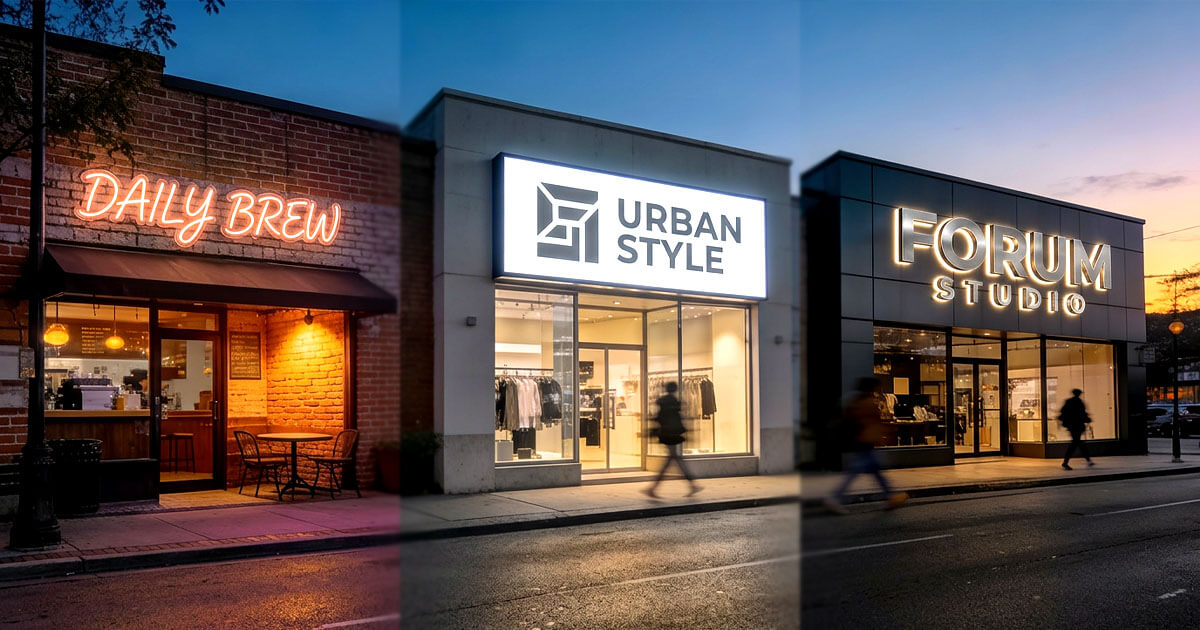
 Window displays: Neon signs in storefront windows stop foot traffic. Glowing signs genuinely capture attention, and that's not exaggeration. Neon window signs become 24/7 marketing that traditional signage can't match. When you position this as advertising rather than decoration, retail clients understand the investment.
Product highlighting: Neon framing specific product areas draws eyes toward high-profit merchandise. Strategic lighting literally moves products. When your design choices influence sales, you've demonstrated measurable value that justifies premium designer fees.
Fitting rooms: Flattering neon lighting makes customers look better, which increases purchases. Warm white or soft pink creates that flattering effect. Better-looking customers buy more. This is a design that directly impacts your client's revenue.
Designer advantage: Retail projects range from $500 to $3,000+. Your markup plus project management fees adds substantial revenue. Better still, successful retail projects lead to multi-location rollouts, your most profitable project type.
Hotels & Hospitality: Premium Projects With Premium Fees
Hotels use neon signs to convey luxury and modernity, which means they expect to pay for quality design.

Lobby installations: Large neon sign installations create memorable moments. Guests photograph it, share it, remember it. Every guest becomes a brand ambassador. When you can demonstrate this social media ROI, your design fees become investments rather than expenses.
Room accents: Even budget hotel rooms feel special with tasteful neon sign touches. Small neon sign pieces above desks or in bathrooms boost perceived value far beyond actual cost. For boutique hotels, a different neon in each room creates distinctiveness that drives bookings and commands premium room rates.
Event spaces: Neon sign for weddings, conferences, or conventions creates branded photo backgrounds. Every event photo features subtle branding as a powerful marketing strategy. Event spaces with modular neon maximize revenue from single installations.
Designer profit: Hotel projects range from $2,000 to $10,000+, depending on scale. Your 25-40% commercial markup, combined with substantial project management fees, makes hospitality one of your most profitable sectors.
Offices & Coworking: The Repeat Revenue Opportunity
Modern offices shape company culture through design. Custom neon signs can be a part of that strategy.

Entryway branding: Neon sign logos or company names make an immediate impression. They reinforce brand identity for both clients and employees. Corporate clients understand branding ROI, which means they pay for quality without pushback.
Meeting room names: Skip boring "Conference Room A" labels. A custom neon sign with company values, location names, or founder tributes adds personality and serves a purpose. You position yourself as a creative strategist, not just someone who picks out furniture.
Motivational spaces: Break rooms with neon affirmations support company culture. Phrases like “Let’s Get To Work,” "Think Big," "Create," and "Together" remind employees of your values every day. Corporate clients view this as a cultural investment, so they accept higher prices.
Designer opportunity: Office projects range from $1,000 to $8,000+. Better yet, corporate success leads to additional offices, expansions, and referrals within professional networks. One successful corporate project can become your most valuable client relationship.
Matching Neon Signs With Every Interior Design Style
Versatility makes neon easy to recommend across different aesthetics. Here's how to position it for various approaches.
Minimalist: The Subtle Accent
Minimalist spaces need restraint, but they still need a focal point. A single geometric shape or word in white or warm white draws attention without adding clutter.
Keep it small. 12-24 inches typically works. Smaller scale prevents overwhelming clean compositions while delivering impact.
Upselling angle: "Every minimal space needs one perfect accent. This neon sign will be that piece." Framing it as essential rather than optional increases conversion.
Modern & Contemporary: The Bold Statement
Modern design embraces confident statements. Recommend crisp lettering or abstract geometric shapes with sharp edges. Bright blue, hot pink, or vibrant yellow work within modern palettes.
A larger scale fits modern thinking. 36+ inch pieces match the aesthetics boldness.

Upselling angle: "Modern design requires statement pieces with clean execution. This neon sign delivers both." Positioning neon sign as style-appropriate makes the sale easier.
Industrial: The Natural Pairing
Industrial spaces were built for neon signs. Raw brick or black painted wall paired with glowing light creates genuine magic. Install against exposed brick, concrete, or metal surfaces. Red, white, or warm amber suits industrial warmth.
In industrial design, visible transformers aren't problems to hide. They're authentic details to display.
Upselling angle: "Industrial design thrives on contrasts. This neon sign against raw materials is exactly what industrial style demands." When you show you understand their style, clients trust your suggestions.
Bohemian: The Eclectic Addition
Boho thrives on personal expression. Mix neon sign with natural textures like macramé, rattan, and plants. Choose warm shades or nature shapes (sun, moon phases, palm trees, flowers) in amber or warm white.

Layer neon with other light sources. Boho embraces varied lighting rather than single focal points.
Upselling angle: "Boho is about curating meaningful pieces. Boho neon sign adds a personal expression that generic lighting can't match." Appealing to personal meaning increases emotional buy-in.
Scandinavian & Hygge: The Warm Touch
Scandinavian design values function and cozy restraint. Stick with white, warm white or soft pastels such as light pink, soft blue, and gentle yellow. Harsh, bright colors break hygge calm.

Medium-scale works best. 24 to 36-inch subtle elements provide ambient glow—position neon sign elements to complement natural materials (light wood, linen, plants).
Upselling angle: "Hygge is about intentional comfort. This warm neon sign adds that cozy feeling Scandinavian design is known for." Speaking the style's language increases client confidence in your expertise.
Technical Specifications Interior Designers Must Know
Technical knowledge prevents installation problems and protects your professional reputation.

Sizing Guidelines by Space
Small Spaces (under 100 sq ft):
-
Small signs: 8-16 inches
-
Medium signs: 16-24 inches
-
Typical cost: $100-$300
Medium Spaces (100-250 sq ft):
-
Small signs: 12-24 inches
-
Medium signs: 24-36 inches
-
Large signs: 36-48 inches
-
Cost: $300-$800
Large Spaces (250+ sq ft):
-
Medium signs: 24-36 inches
-
Large signs: 36-48 inches
-
Extra-large: 48+ inches
-
Cost: $800-$2,500+
Quick calculation: Neon signs should take up roughly 1/4 to 1/3 of wall width. A 12-foot wall works well with 36-48-inch neon signs. This prevents sizing mistakes that disappoint clients.
Smart Integration Adds Value
Smart home integration lets neon do more than sit there. You can adjust it to match the mood or time of day. RGB neon signs connect to apps via Bluetooth or WiFi, providing millions of colors and programmable scenarios.
Scheduling features automate behavior. Morning warm white for wake-ups. Evening cool blue for wind-down. Party mode with shifting colors for gatherings.
Upselling angle: Smart neon costs more, which means higher revenue. Position it as a lifestyle enhancement rather than lighting, and clients justify the premium investment.
Safety Standards Protect Your Reputation
LED neon operates at 12-24V and eliminates major hazards. Properly installed LED neon can't deliver a dangerous electrical shock. No heat generation means no burn hazards. LED Neon signs stay cool even after hours of use.
Indoor ratings affect how long they last:
-
Standard (IP20): Dry indoor spaces only
-
Wet-location rated (IP67+): Bathrooms, kitchens, outdoor areas
Check the ratings before you order. This avoids warranty problems and unhappy clients.
Designer Pricing Strategy: How to Markup Neon Signs for Maximum Profit
Understanding wholesale costs and retail pricing helps you protect your margins while staying competitive.

Standard Designer Markup on Neon Products
Most interior designers mark up products 20-40%. Neon signs follow the same model. Some designers charge a fixed design fee plus a 20-35% markup on all purchased products.
Pricing formula: (Materials + Labor) x 2.5 to 3 for retail pricing. If a wholesale neon sign costs $200, retail pricing should be $500-$600. Your markup captures the difference.
Retail Price Ranges by Project Type
Small residential projects:
-
Retail: $100-$300
-
Your markup (30%): $30-$90
-
Time investment: 1-2 hours
Medium residential projects:
-
Retail: $300-$800
-
Your markup (30%): $90-$240
-
Time investment: 2-4 hours
Large residential/small commercial:
-
Retail: $800-$2,000
-
Your markup (30%): $240-$600
-
Time investment: 4-8 hours
Major commercial projects:
-
Retail: $2,000-$10,000+
-
Your markup (30-40%): $600-$4,000+
-
Time investment: 10-20+ hours
Procurement Fees Add Additional Revenue
Beyond product markup, charge separately for procurement services. Many designers charge 20-35% procurement fees in addition to design fees. This compensates for time spent sourcing, coordinating, and managing vendor relationships.
Business model: Separate your design fees from product markup and procurement fees. This creates multiple revenue streams from a single project.
Long-Term Value Justifies Premium Pricing
Help clients see the neon sign as an investment, not an expense:
Energy savings: LED neon signs cost hundreds less than traditional neon glass-tube signs over 5 years. Work out these numbers and show them to your clients.
Marketing value: Commercial neon signs give clients moments worth sharing on social media. Their Instagram posts featuring your neon work get them free exposure and reach more people.
Longevity: LED neon sign lasts 50,000-100,000 hours, so replacements are rare over the course of decades. Quality products protect your reputation and justify charging more upfront.
8 Mistakes Interior Designers Should Help Clients Avoid
Preventing common errors demonstrates expertise and protects your professional reputation.

Mistake 1: Wrong Sizing Ruins Impact
Too large overwhelms spaces; too small disappears. An 18-inch sign on a massive living room wall gets lost. A 60-inch neon in a small bedroom feels oppressive.
Solution: Use the 0.5x to 0.9x furniture width rule for above-furniture placements. Measure carefully and visualize before ordering.
Mistake 2: Color Psychology Ignored
Intense red or orange in bedrooms keeps people awake. Deep purple in offices makes it hard to focus. Cool blues in dining spaces make people less hungry.
Solution: Pick colors based on what the room needs to do. You know the psychology behind this, which saves clients money and shows your expertise.
Mistake 3: Poor Placement Creates Problems
Mounting too high and neon sign becomes just a ceiling decoration. Too low, and the furniture blocks it. Bad angles cause glare on screens or where people sit.
Solution: Mount at eye level, roughly 60-65 inches from the floor. Adjust higher or lower depending on whether people are sitting in lounges or dining areas.
Mistake 4: Too Many Neon Elements
Multiple neon pieces compete for attention, creating a mess rather than a design. People don't know where to look.
Solution: Stick to one main neon piece per room. Other signs should work with it, not against it.
Mistake 5: No Dimmer in Bedrooms
Neon signs at full brightness at night keep people from sleeping. Blue light blocks melatonin production. Beautiful designs become unusable because brightness can't be adjusted.
Solution: Install dimmer switches or choose a smart neon with app-controlled brightness. Non-negotiable for sleeping spaces.
Mistake 6: Ignoring Electrical Requirements
Long power cords running to distant outlets look messy—too many things on one circuit trip breakers.
Solution: Plan where the power outlet will go before finalizing the design. Make sure the circuit can handle the extra load.
Mistake 7: Residential-Grade Products in Commercial Settings
Residential neon signs aren't built for commercial use. Impact damage, cleaning chemicals, and constant use wear it out fast.
Solution: Use commercial-grade materials with proper IP ratings. Hire professionals to install it.
Mistake 8: Maintenance Planning Forgotten
Dust builds up and dims the glow over time. Loose connections cause problems. Even neon that lasts 50,000 hours eventually stops working.
Solution: Set up quarterly cleaning. Keep records of what was installed for future maintenance.
7-Step Process for Specifying Neon Signs in Your Interior Design
Follow this workflow to get results while working efficiently and maximizing profit.
Step 1: Identify Design Goals and Budget
Ask what the neon sign will do. Is it providing light or just visual interest? What mood should the space have? Set a budget early. This keeps you focused on options your clients can actually afford and saves time.
Step 2: Measure Space and Identify Placement
Grab a tape measure and document the wall dimensions, furniture sizes, viewing distances, power outlet locations, and existing lighting. You'd be surprised how often a few inches off can throw the whole look—or worse, require costly fixes.
Step 3: Select Color Using Psychology
For color, think about what the room actually needs to accomplish. Sometimes pulling from the existing palette works best; other times, a contrasting hue is exactly what the space is missing. Ask for samples or mockups before you decide. Color looks different depending on what surrounds it.
Step 4: Determine Proportional Sizing
Use the sizing guidelines for the room type. For neon above furniture, make it 0.5x to 0.9x the width of that furniture. For commercial spaces where people view from far away, go bigger.
Step 5: Choose Quality Supplier
Look at what vendors have made before to see their quality and style. Check if they can customize. Verify the materials they use and the guarantees they offer. Know how long production and shipping take.
Step 6: Coordinate Installation
Large commercial projects need professionals. Check local rules for permits or if you need a licensed electrician. Professional installation usually costs $100-$500 or more for mounting.
Step 7: Document and Maintain
Clean your neon every three months. Make sure power connections stay tight. Keep receipts, warranty info, and vendor contact info in one place. Good records help if something goes wrong and make future maintenance easier.
Why Interior Designers Should Partner With Neon Sign Suppliers
Working with professional neon sign suppliers makes product sourcing easier and helps your interior design business grow profits.

Designer Benefits of Supplier Partnerships
Trade pricing access: When you build volume with manufacturers, you unlock better pricing than what clients would get retail. That gap? That's your margin right there.
Faster turnaround: Suppliers who know you tend to prioritize your orders. It sounds small, but it keeps projects moving.
Design consultation: Quality suppliers often throw in design feedback. It saves you hours and helps catch issues before they become real problems.
Commercial-grade quality: Professional suppliers actually care about durability standards. They get that one failed installation tanks your reputation—so they won't let it happen.
Portfolio collaboration: When a project turns out well, both you and the supplier benefit. They'll promote your work to their other clients, which means steady referrals coming your way.
Consistent quality: You know what's underrated? Just having a supplier you can count on. It sounds basic, but consistency is your most valuable business asset.
Business Model: Multiple Revenue Streams
Here's where it gets interesting. You can layer multiple income sources from a single neon sign project:
-
Design fees: Hourly or project-based rates for your design work.
-
Product markup: 20-40% above wholesale.
-
Procurement fees: An extra 20-35% for sourcing and coordination.
-
Installation management: Fees for managing the installation process.
On a medium-sized project, these can add up to $500-$2,000 in combined revenue.
Conclusion: The Business Case for Adding Neon Signs to Your Interior Design Projects
The math is straightforward. Interior designers maintain gross profit margins of 35-40% overall. Neon sign markup falls into the same 20-40% range as other furnishings. But neon signs require less sourcing time than custom furniture and install faster than built-ins.

Add solid margins to minimal time investment, and you've got one of the most efficient ways to boost revenue on interior design projects.
The numbers back this up. LED neon grows 6-9% every year. Businesses see up to a 30% jump in sales after adding neon signage. When commercial clients see those results, they pay for quality design without price resistance.
For residential work, neon sign delivers the instant visual impact that justifies premium designer fees. Clients see a dramatic transformation immediately, which makes your value obvious. That emotional response prevents fee negotiation and drives referrals.
Here's the real opportunity: most interior designers haven't systematically integrated neon sign into their service offerings yet. Early adopters capture market share while competitors lag. The designers partnering with neon sign suppliers now are adding $1,500-$4,000 per month through consistent referrals and bulk orders.
The investment question comes down to this: Do you want to grow project revenue with minimal additional time investment? Neon signs for your interior design projects answers that question with documented profit margins, growing market demand, and clients who actually want to buy.




Share: