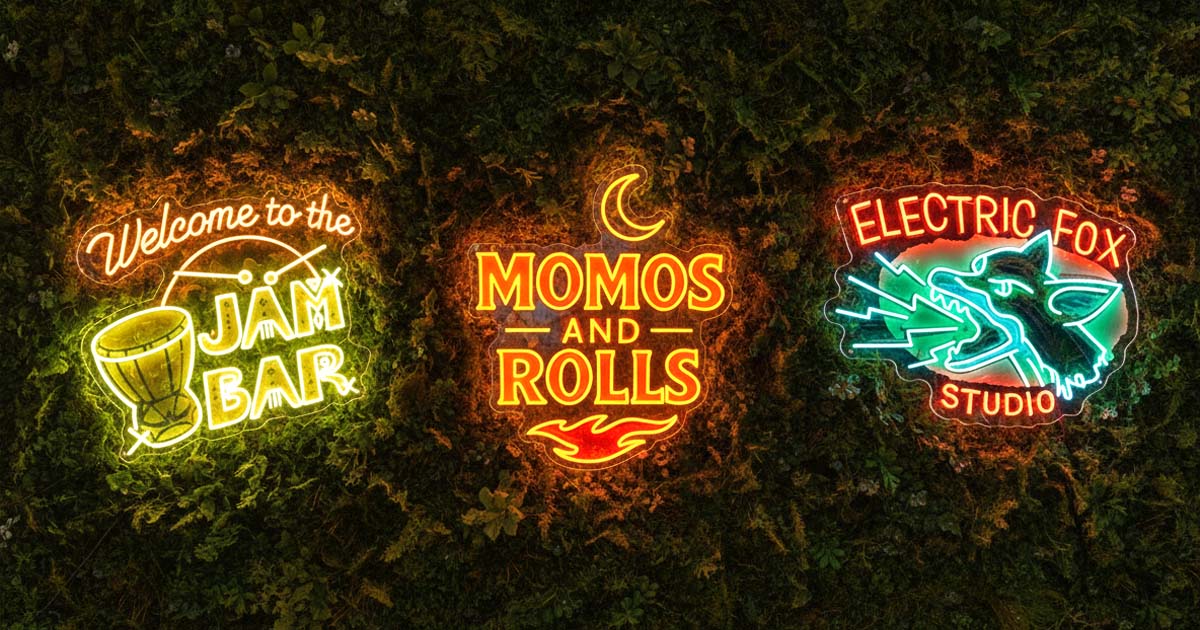

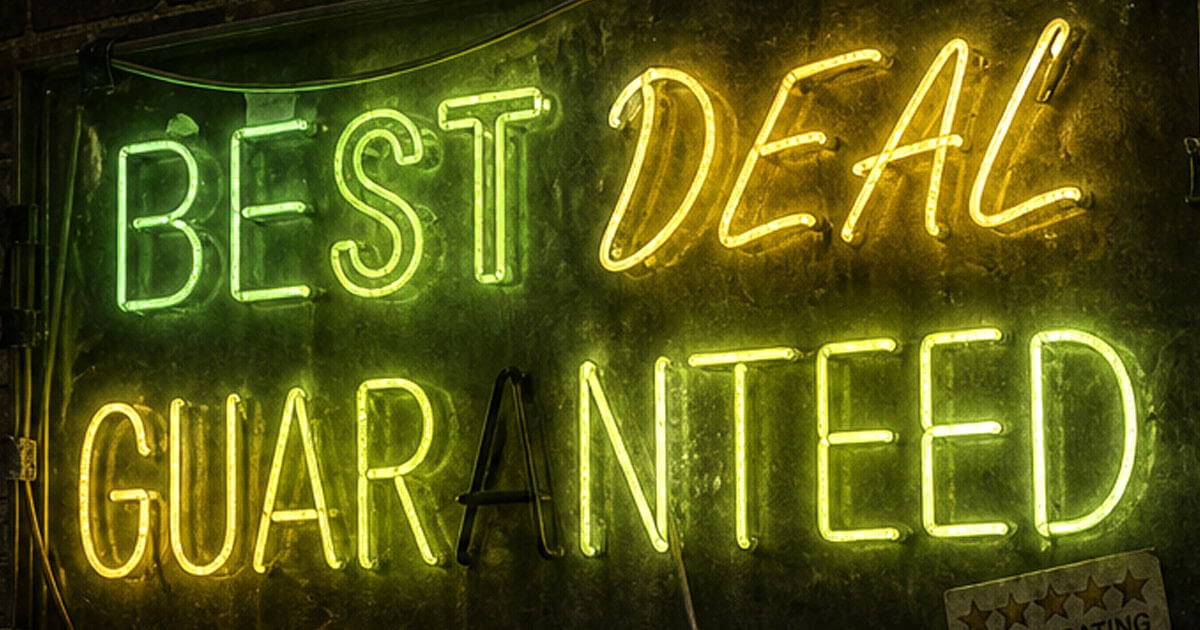
When you light up your logo with LED neon, you're making a smart business decision.
Research shows that custom LED neon signs increase foot traffic by nearly half and make people remember your brand much better.
Right now, in 2026, the LED neon sign industry is booming. It's growing fast because business owners like you are discovering how powerful a glowing sign can be for attracting customers.
The good news? You don't need to be a designer or engineer to get this right.
This guide walks you through the entire process, what questions to ask, what to look for, and how to make sure your custom logo neon sign actually works for your business.
Why LED Neon Sign Beats Other Signage Options
Modern LED neon signs are completely different from old-fashioned neon tubes. They're safer, brighter, use way less electricity, and you can customize them almost any way you want.
Think of it like this: LED neon is flexible plastic tubing filled with tiny lights, wrapped in a protective coating. You can bend it into curves, cut it to different lengths, and change the color as needed.
The main practical benefits for your business:
They Last Longer - A proper LED neon sign lasts 5-10 years with minimal maintenance. You install it, and it mostly takes care of itself.
They're Energy Efficient - LED neon uses about 90% less electricity than traditional neon tubes. Your power bill barely moves when the sign is on.
They're Customizable - Unlike pre-made signs, LED neon signs can be shaped to match your exact logo. You can choose from hundreds of colors, and modern versions even let you change colors remotely.
They're Safe - LED neon sign runs on low-voltage power (like a laptop charger), so there's no risk of burns or dangerous high-voltage issues.
Step 1: Start With Your Brand and Your Logo
Before you think about colors or shapes, take a step back and ask yourself: What do I want customers to feel when they see my sign?
This is the real starting point. Every business has a personality:
-
A coffee shop feels warm and welcoming
-
A tech startup feels modern and cutting-edge
-
A law firm feels professional and trustworthy
-
A restaurant feels energetic and fun
Your neon sign should match that personality. This isn't about guessing; there's actual research showing that color choices influence how customers think and feel about your business.
Questions to ask yourself:
-
Who are my customers? (Young professionals? Families? Creative types?)
-
What feelings do I want them to have about my brand?
-
What's different about my business compared to competitors nearby?
Write down 3-5 words that describe your brand personality. This becomes your guide for every decision that follows.
Step 2: The Color Choice That Actually Matters
Here's where most business owners get confused: they pick colors they like, but don't consider what those colors communicate.
 Blue signals trust and reliability. Banks, tech companies, and professional services use blue for a reason: it makes people feel confident if you want customers to see you as dependable (accounting firm, insurance, healthcare), blue works.
Warm white or soft yellow feels welcoming and approachable. Restaurants, bars, coffee shops, and retail boutiques use these colors because they invite people in. They create an intimate, comfortable vibe.
Red and orange grab attention and create excitement. These colors work well for restaurants, gyms, entertainment venues, and other places that need people to stop and notice.
Green suggests nature, health, and sustainability. If your business emphasizes eco-friendly practices or wellness, green makes sense.
Pink and purple appeal to younger audiences and creative businesses, such as fashion, beauty, art studios, and nightlife venues.
The key insight: pick a color that matches your brand personality, not just what you like. If your business feels professional, but you pick bright neon pink, customers get confused with mixed messages.
Most neon sign manufacturers can show you physical color samples before you commit. Ask for these, and see how they look in your actual storefront lighting.
Step 3: Understanding LED Neon Sign Production
You don't need to understand how LEDs work, but it's helpful to know the basics so you don't get stuck with something that doesn't work for your needs.

Here's the simple version:
The LED neon sign is made of flexible tubing containing thousands of tiny lights sealed inside protective plastic. The manufacturer bends this tubing into your logo shape, seals it up, and connects it to a power source.
Why this matters to you:
Curves - The tubing can bend around gentle curves, but very sharp corners might need special connector pieces. If your logo has super tight angles, tell the manufacturer they'll know how to handle it.
Size - Smaller LED tubes (about the thickness of a pencil) work for detailed logos or fine lettering. Larger tubes (thicker) are brighter and more visible from far away. Your designer or manufacturer will recommend the right size based on where you're installing it.
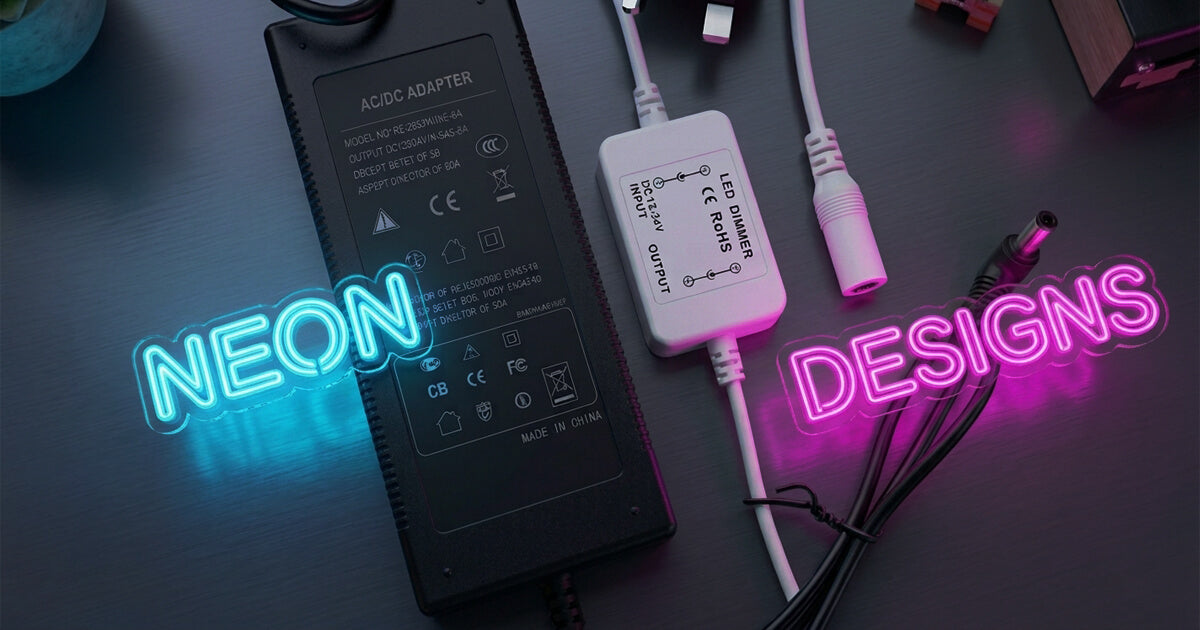
Brightness - Modern LED neon is really bright, bright enough to see during daylight, not just at night. You can usually adjust brightness with a simple dimmer switch.
Colors - You can get single colors (just blue, just red, etc.) or programmable color systems that let you change colors remotely. Single colors cost less. Color-changing systems cost more but give you flexibility for seasonal campaigns or special events.
Weather protection - If your sign goes outside, it needs weatherproofing. Ask manufacturers about their outdoor-rated systems. They cost a bit more, but won't fail in rain or extreme temperatures.
Step 4: Designing Your Logo for Neon Sign
This is where a professional designer becomes valuable. They understand how to translate your logo into a neon-friendly version.
What to tell your designer:
- Where will the sign go? (Inside lobby, above storefront, window display?) This determines size.
- How far away will people view it from? (Across a busy street? Inside a small office?) This determines how large letters need to be.
- What's your budget? Larger signs and multiple colors cost more.
- Does it need to work 24/7? If it's outside, you need weatherproofing.
A good designer will create mock-ups of how your logo will look in neon before anything is built. This is your chance to catch problems if the design looks bad in the mock-up; fix it now, not after the sign is made.
Red flags to watch for:
-
The designer doesn't show you any mock-ups or samples
-
They can't explain why they chose certain colors
-
They pressure you into decisions without discussing your brand strategy
-
The mock-up looks completely different from your actual logo
Step 5: Location Matters More Than You Think
Before you finalize anything, walk around your storefront or building and think about where the sign will actually go.
 Ask yourself:
-
Will it get enough space so it's not cramped against other signs?
-
Is it visible from the busiest approach to my business?
-
Will it complement my storefront design, or will it clash with it?
-
In daylight, will it be visible or washed out?
-
At night, will it be too bright (annoying) or just right (inviting)?
If your competitors all use warm, soft lighting but you install a bright, electric-blue sign, you'll definitely stand out. But make sure that's the differentiation you actually want.
The best move? Compare what competitors nearby are doing. If everyone has warm, traditional signs, a modern color like cool blue creates natural contrast. If everyone's dark and minimal, a bright, welcoming sign draws attention.
Most neon sign manufacturers can show you mock-ups of how the neon sign will look in your actual location before you commit. Ask for this free service; it's worth the wait to get it right.
Step 6: Colors and Emotions (The Real Psychology)
Here's what actually drives customer behavior, not complicated science, but simple human psychology.

Warm colors (reds, oranges, warm yellows):
-
Make people feel energized
-
Stimulate appetite (great for restaurants)
-
Create urgency and excitement
-
Works well for nightlife, entertainment, and food
 Cool colors (blues, greens, cool whites):
-
Make people feel calm and trusted
-
Signal professionalism and safety
-
Works well for services like healthcare, finance, and law
Neutral whites:
-
Feel clean and modern
-
Let your logo shape be the hero
-
Work for any business type
Bright vs. Soft:
-
Bright, vivid colors attract attention from far away
-
Soft, muted colors feel more sophisticated and welcoming up close
-
Pick based on whether you want "stop and look" (restaurant, bar) or "come in and stay" (boutique, office)
The simple rule: your sign's color should match how you want customers to feel.
Step 7: Working With Manufacturers: What to Ask
Once you've decided on design, size, color, and location, you'll work with a neon manufacturer. Here's what matters:
Questions to ask any manufacturer:
1. "Can you show me samples of this exact color?" Colors look different on screens vs. real life.
2. "How long will this last?" Good manufacturers guarantee 5-10 years. If they can't promise that, find someone else.
3. "What's included for installation?" Do they handle mounting? Do you need an electrician? What costs extra?
4. "What happens if something breaks?" Do they have a warranty? Repair service?
5. "Can I see photos of similar work you've done?" Check their portfolio. Look for quality and consistency.
6. "What's your timeline?" Custom neon usually takes 2-4 weeks. Rush orders might cost more.
7. "For outdoor use, what weather protection do you provide?" Don't skip this if your sign faces sun, rain, or extreme temperatures.
Red flags with manufacturers:
-
They rush you into ordering without showing mock-ups
-
They can't answer basic questions about durability
-
Prices seem unusually cheap (usually means corners are cut)
-
They don't provide written specifications or a warranty
-
Poor communication or slow responses
Step 8: Installation and Setup
Once your sign arrives, installation is usually straightforward. Most neon signs include a mounting kit.
What typically happens:
- You can easily install your neon sign yourself or hire someone to do it for you. Mount the signs securely to your wall, window, or architectural feature.
- Connect the power supply to a nearby electrical outlet.
- Do a full brightness and color test.
- Test the dimmer switch or remote control.
-
Basic maintenance (like occasional cleaning).
Most installations take 2-4 hours for a standard logo sign.
Step 9: Measuring Whether Your Investment Paid Off
Here's the question that matters: Did the sign actually help my business?
 Track these simple metrics:
Customer feedback: Ask new customers how they found you. When you get "I saw your sign" repeatedly, that's proof it's working.
Foot traffic: Most businesses notice an obvious increase in walk-ins after installing an attractive neon sign. It's usually 30-50% more foot traffic in the first month.
Social media buzz: Distinctive neon signs get photographed and posted. Track mentions of your business on Instagram, TikTok, and Google Maps reviews. Beautiful signs create word-of-mouth marketing.
Conversion: More traffic doesn't mean success if people don't buy. Are more visitors actually becoming customers? If they're looking but not buying, the sign worked, but your service, product, or pricing might need attention.
Long-term value: A USD 1,000-2,500 custom neon sign that lasts 5+ years costs less than USD 2 per day. That's incredibly cheap compared to daily advertising or social media marketing.
Successful businesses report that a well-designed custom neon logo becomes their most cost-effective marketing investment.
Common Mistakes to Avoid
Mistake 1: Picking a color you like instead of a color that matches your brand
Solution: Ask yourself how you want customers to feel, then choose accordingly.
Mistake 2: Making the sign too small
Solution: Test visibility from the farthest distance customers approach. When in doubt, go bigger. You can always adjust brightness, but you can't make a small sign visible from far away.
Mistake 3: Choosing the cheapest option
Solution: Cheap signs fail early. A USD 500 sign that works 2 years costs more than a USD 2,500 sign that works 5 years.
Mistake 4: Not planning for installation before ordering
Solution: Confirm mounting location, power outlet availability, and any structural needs before the manufacturer builds it.
Mistake 5: Picking a trendy color that won't age well
Solution: Unless you plan to change the sign every 2 years, stick with timeless colors that match your brand.
Make Your Brand Unforgettable
A custom logo neon sign isn't just decoration, it's a business tool that works 24 hours a day, attracts customers, and builds brand recognition. When designed thoughtfully and matched to your actual brand personality (not just aesthetic preferences), it delivers measurable returns.
The process is simpler than you think:
1. Understand your brand personality
2. Choose a color that matches that personality
3. Work with a designer who gets your vision
4. Partner with a quality manufacturer
5. Track whether it's actually working
Your competitors probably have generic signs. A custom neon logo that matches your brand perfectly? That becomes memorable, shareable, and profitable.
Start by writing down those 3-5 words describing your brand personality. Everything else flows from that.


Share: