
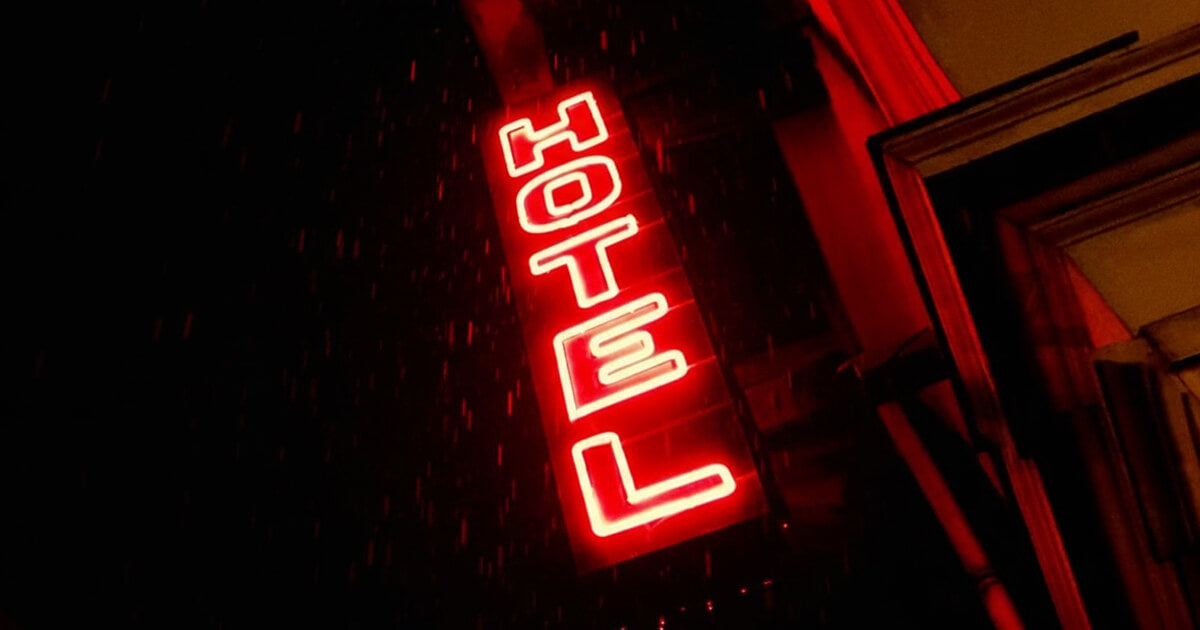

The outdoor signage industry is experiencing remarkable growth. LED neon signs may hit a value of $2.53 billion in 2025 and are likely to grow around 5.3 percent each year. If you want a display that turns heads and keeps working, weatherproof custom LED neon signs pair bright, attention-grabbing colors with the kind of durability you need for outdoor use.
These weatherproof custom LED neon signs offer superior durability compared to traditional alternatives. When choosing weatherproof signs for your business for outdoor use, consider how long they'll last, how much maintenance they'll require, and whether these newer options can withstand tough weather as well as traditional neon. The good news is that they can, but only if you know what features can make an LED neon sign truly weatherproof.
Understanding IP Ratings for Outdoor Use
When choosing weatherproof custom LED neon signs, understanding IP ratings becomes essential. What do those IP numbers actually mean for your signage investment? IP (Ingress Protection) ratings provide a clear indication of how your signs will withstand dust, water, and other environmental challenges. Instead of vague terms like "weatherproof," these numbers provide you with an exact measure of the protection you can expect.
The IP system uses two digits. The first number (0-6) indicates protection against solid objects, such as dust and debris. Higher numbers mean better protection. The second digit (0-9) indicates water resistance, from basic dripping protection to full submersion capability.
IP65 vs IP67 vs IP68: LED Neon Sign Waterproof Ratings Explained
So, what's the real difference between IP65, IP67, and IP68 for your LED neon sign? It may seem like a lot of numbers, but each rating provides useful information about how your sign withstands the elements.
 IP65 LED appears to withstand water jets from any angle. You'll often see these under patio covers or awnings, where they face splashes and light rain. However, they are not designed for heavy downpours or prolonged underwater exposure.
IP67 LED might be the sweet spot for most businesses. We've used these on storefronts and outdoor cafe walls, and they're completely dustproof. They can handle being underwater up to about 3.3 feet for 30 minutes, just enough if a sudden storm floods a sidewalk.
IP68 LED, which is likely to keep working even when fully submerged beyond one meter, and for a long time too. Frankly, this level is overkill for the average sign. Most signs don't need this level of protection. You'd want this mainly for tricky spots, such as near water or places that might flood.
In our experience with outdoor installations, IP67 provides the optimal balance of protection and cost. It's the sweet spot for commercial weather-proof LED neon signage. It handles everything from desert sandstorms to coastal humidity without the premium cost of IP68 ratings.
Your choice depends on the installation location. Fully exposed signs should have an IP rating of 65 or higher. Remember that higher ratings cost more, but they prevent costly repairs and replacements when weather conditions get tough.
Benefits of Weatherproof LED Neon Signs
Professional weatherproof custom LED neon signs provide businesses with long-term value, as they are designed to withstand outdoor elements and maintain their functionality over time. Energy efficiency alone makes these signs attractive to business owners. Some LED neon signs use just 10 watts, while old-style tube signs often draw five times that. If your business display runs all night, you could see real cuts in your electricity bill.
 Longevity becomes a significant cost factor when considering high-quality, weatherproof LED neon signs. These signs can last between 50,000 and 100,000 hours, which translates to roughly 6 to 11 years of continuous use, which means fewer replacements and lower long-term maintenance costs compared to traditional signage options.
Durability in tough weather is another big plus. High-quality weatherproof LEDs are designed to withstand temperatures ranging from –40°C to 65°C without malfunctioning. They resist UV fade and seal every joint tightly to keep out moisture. The manufacturing process creates seamless designs that prevent water penetration at vulnerable connection points.
Key advantages include:
-
Energy use as low as 10 watts
-
Lifespan of 50,000–100,000 hours
-
Wide temperature range from –40 °C to 65 °C
-
UV resistance to keep colors vivid
-
Cool operation with no toxic gases
You'll also get more creative control. You can match your exact brand colors, shape letters, however you want, and even program effects to change with the time of day. That kind of flexibility wasn't possible with glass neon.
Safety is the final score. LED neon runs cool and contains no hazardous materials. That means fewer worries about broken glass, burns, or special permits, making installation simpler and safer.
Design Considerations for Weatherproof Outdoor Neon Signs
When you switch from indoor to outdoor, size suddenly matters a lot more. Signs placed outside may need to be 20 to 30% larger than their indoor neon signs to stand out under bright sun or when viewed from a distance. You could stick with smaller dimensions, but that choice risks your message getting lost among competing signs and natural light.
 Color choices seem simple until you see how sunlight washes out certain hues. Electric blue, vivid red, and bright white often stand out best in daytime glare. In the evening, warmer shades may look more inviting. Some owners go for RGB setups that adjust automatically as light levels change.
Mounting these signs outdoors may seem straightforward, but you'll need to plan for wind gusts and metal that expands in the heat. You can't simply hang a weatherproof LED neon like an indoor frame; these units typically require a solid backing on a flat wall or panel to stay in place.
It's a good idea to check local building codes and obtain any necessary permits before purchasing, as rules can vary from one neighborhood to the next.
Essential mounting checklist:
-
Flat-surface installation only; avoid suspension methods
-
Wind-load calculations to match local weather patterns
-
Thermal-expansion gaps to prevent stress cracks
-
Service access points for quick maintenance
-
Early permit and code review to avoid red tape
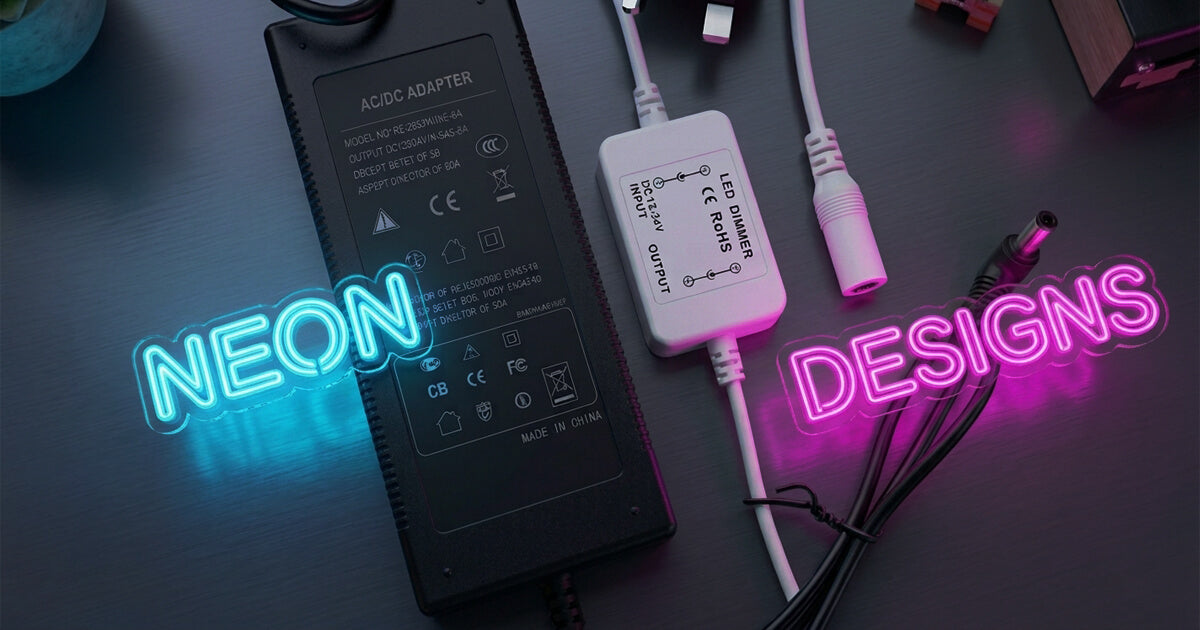
Power isn't just "plug and play" outdoors. You'll need weatherproof transformers, GFCI outlets, and cables that are rated for moisture resistance. Standard installations include 4 to 6 feet of protected cable, but if you need to run farther, consider hiring a professional electrician.
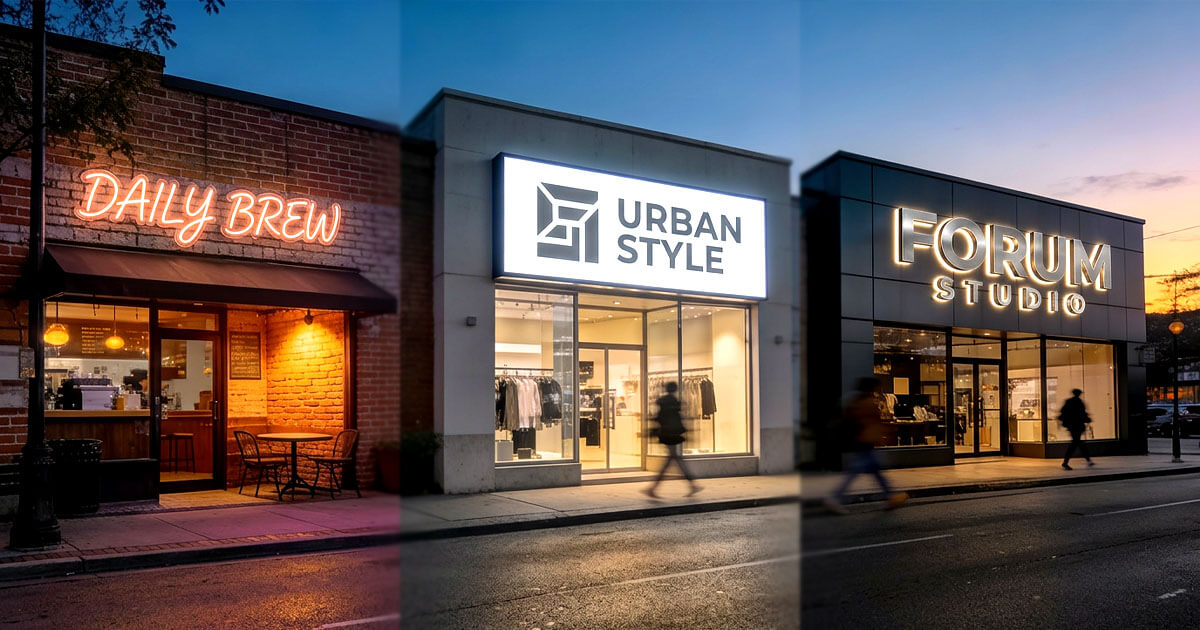
Finally, consider how the sign complements your building's style. A sign that blends with your building's style may suggest careful planning. You'll want to picture it lit up at night, and then imagine how it looks when the lights are off, especially if local rules limit your hours.
Cost Considerations for Weatherproof LED Neon Signs
Understanding the cost of weatherproof LED neon signs may sound straightforward, but a few key factors really drive the price: how big your sign is, the custom details you want, and the level of weather resistance you need.
 Size-Based Pricing Structure
-
Small signs (60–100 cm) usually cost between $150 and $300. They're great for a snug cafe corner or a boutique window that needs a bright touch without taking over.
-
Medium signs (100–150 cm) typically range from $300 to $600. That's likely enough to catch the eye of passersby on busy sidewalks.
-
Large installations (150 cm and above) start at around $800 but can exceed $2,500, especially when considering heavier materials, wind-rated brackets, and additional labor for mounting on taller buildings.
Weatherproofing Premium Costs
Adding weatherproofing may increase the cost by about $50–$100 compared to an indoor model. You're paying for sealed edges, waterproof housings, and parts rated to withstand rain, UV rays, and extreme temperature swings. If you want top-tier protection—think IP67 or IP68—it's likely to cost closer to the $75–$100 end of that range.
-
Basic outdoor upgrade: +$50
-
Advanced weatherproofing (IP67–IP68): +$75–$100
Installation and Setup Expenses
Installation and setup bring their own expenses, often tied to the complexity of your site and local regulations.
-
Mounting labor: $100–$500, rising toward $500 if your wall is hard to reach or needs wind-rated brackets
-
Electrical hookup: $100–$300 for weatherproof transformers and GFCI-protected circuits, depending on circuit length and access
-
Permit fees: $50–$200, based on your town's regulations
Customization Impact on Pricing
Customization can swing your final cost considerably. A simple text-only sign might start at $80–$100, but extra touches add up quickly:
-
Multiple colors: +$50–$100 for additional controllers and wiring
-
Custom logos or shapes: $500–$2,500 for design work and specialized fabrication
-
RGB color-changing options: +$50–$100
Long-Term Cost Analysis
The upfront costs might be high, but using less energy and lasting longer usually means you'll save money in the long run.
-
Energy use: as low as 10 W, about $4.20/year vs. $140/year for traditional neon
-
Lifespan: 50,000–100,000 hours (roughly 6–11 years) before replacement
Budget Planning Recommendations
Use these ranges to plan based on your application:
-
Small business medium sign plus install: $400–$800
-
Restaurants and retail locations: $800–$2,000
-
Large commercial projects with custom designs: $2,000–$10,000
Choosing under-rated, low-cost signs may seem tempting, but it's likely to lead to higher repair and replacement costs down the road. Investing in proper weatherproofing, solid IP ratings, and professional installation tends to pay off through fewer service calls and longer-lasting performance.
How Weather Affects LED Neon Signs: Temperature, UV, and Moisture Resistance
Temperature swings can really test your sign. Silicone-based LED neon strips tend to stay flexible from bitter cold to scorching heat, whereas cheaper PVC versions are likely to crack when temperatures drop. Some premium silicones—for instance, may handle anywhere from –40 °C up to 232 °C before you notice any fading in performance.
 UV rays present another challenge over time. Lower-grade materials often yellow after a season or two, which can make your storefront look tired. Signs that incorporate UV stabilizers and protective coatings appear to keep their original hue for years, so your branding doesn't end up looking washed out.
Moisture appears in various forms, including rain, humidity, and morning condensation. The signs that handle this best use a liquid-acrylic process to create a seamless shell. That design prevents water from creeping in at joints and causing shorts or LED failure later on.
Key weather-proofing features to look for:
-
Silicone components that flex between –40 °C and 232 °C
-
UV inhibitors to keep colors from fading or yellowing
-
Seamless liquid-acrylic construction to block moisture entry
-
Chemical resistance for spots near salt air or industrial fumes
-
Flexible mounting that absorbs daily heating and cooling
If your shop is situated by the ocean or near chemical plants, salt spray and airborne contaminants may indicate that you need extra-strong materials. The best weatherproof LED neon options use flexible mounts and materials that expand and contract together. That approach helps prevent cracks and gaps from forming over time.
LED Neon Sign Installation for Outdoor: Step-by-Step Guide
Installing weatherproof custom LED neon signs requires proper planning and execution to ensure optimal performance. Pre-installation planning may seem basic, but it often makes or breaks your LED neon sign during the installation process.
Measure your wall space down to the last centimeter and check whether your town requires permits for illuminated signs. You'd be surprised how many places demand permission if passersby can see your glow from the street.
 Step 1: Find the best spot. You want the sign at eye level or just above, think about where customers stand or drive by. Also, check for a nearby power source. You'll likely hide the transformer under a ledge or behind a panel to keep it dry while still making it reachable for future checks.
Step 2: Use the sign itself as a stencil. Hold it in place, level it, then mark each hole with a pencil. On brick or concrete walls, drill small pilot holes first and slip in the anchors you've chosen for outdoor use.
Installation checklist:
-
Measure dimensions and clearances exactly
-
Confirm permit requirements for illuminated signs
-
Locate the closest power outlet
-
Verify the wall can hold the sign's weight
-
Gather outdoor-rated screws, anchors, and brackets
Step 3: Secure the mounting hardware. If you have anchors in place, line up the pre-drilled holes and drive in the screws supplied by the neon sign provider. Make sure every bracket and bolt meets your area's wind-load specifications; it may save you a repair after a storm.
Step 4: Connect electrical components according to the manufacturer's specifications and local electrical codes. You'll likely need a weatherproof box for the transformer and connections. If wiring makes you nervous, hiring a licensed electrician seems like the safest bet; it avoids voiding warranties or worse, creating a hazard.
Step 5: Run a full test before you call it a day. Switch on the sign and check every LED, test the remote (if it has one), and step through any color or dimming features. You'll rest easier knowing it all works when you flip the switch for real.
For large projects or complex installations, professional help may be advisable. Many stores actually require certified installers to maintain their warranty and ensure your sign remains reliable over time.
Maintaining Your Outdoor LED Neon Signs: Cleaning and Care Tips
Keeping your sign bright starts with regular cleaning. Dust can reduce brightness by up to 15%, so wipe your outdoor display once a week in a busy commercial setting. In a clean, residential spot, a monthly wipe-down may suffice.
Before you start cleaning, always turn off and unplug the unit. A soft microfiber cloth usually does the trick. Avoid using abrasive pads or strong chemicals, as they can scratch or dull the finish. If a stain won't budge, mix a little mild soap in water and gently rub the area.
Every 3 to 6 months, step up your maintenance. Tighten any loose mounting hardware, look for corrosion at electrical connections, and check that seals stay snug. Pay attention to tiny water spots, flickering LEDs, or slight color shifts; those could be early warning signs of trouble.
Maintenance schedule:
-
Weekly cleaning in high-traffic commercial areas
-
Monthly cleaning in residential or low-dust environments
-
Quarterly inspections of mounts, wiring, and seals
-
Trim back plants so moisture and bugs stay away
-
Consider a professional service plan for critical installations
Troubleshooting early saves cash later. A flicker often means a loose wire. If your sign flickers, it often points to a loose connection. Dimming sections may suggest worn-out LEDs or a failing power supply. And dark patches? Those usually mean a segment needs a pro's touch.
Preventive steps help protect your warranty and extend the life of your neon sign. Keep the area around your sign clear of overgrown plants so rainwater can flow away, and critters don't sneak in and nest.
If you're mounting on concrete or asphalt, double-check that puddles won't linger at the bottom. Stagnant water can seep into those seals over time, potentially causing future issues.
Read Also: LED Neon Sign Care and Maintenance: A Complete Guide
Getting Your Weatherproof LED Neon Project Started
Investing in a well-made, weatherproof custom LED neon sign may seem pricey upfront. Still, it often pays off through reliable performance for years, especially once you factor in lower energy bills and fewer maintenance headaches.
 These days, more shops and cafes are discovering that a sturdy outdoor neon display not only turns heads but also keeps the lights on without sucking down power.
Start by identifying your real needs:
-
What kind of weather does your local area throw at you: blistering sun, surprise hailstorms, or winter freezes?
-
Where's the sign actually going under an awning, on a brick wall, or above a storefront window?
-
Don't forget to consider permits and who will handle routine maintenance.
Cutting corners on IP ratings or skimping on materials might save a few bucks today, but could mean extra headaches (and costs) when your sign starts acting up.
After that, shop around for installers who really know their stuff. A neon sign expert will ask you about wind loads in your neighborhood, measure how much sun your wall bakes in midday, and pick mounting hardware suited to brick versus wood.
In our experience, installers who ask those detailed questions tend to deliver smoother, longer-lasting results—so it's worth taking the time to find someone who cares as much about the details as you do.
Project success factors:
-
Environmental check: Pin down the weather and light conditions your sign will face
-
Material choices: Match IP ratings to those conditions, even if it costs more
-
Professional install: Keeps performance steady and warranties valid
-
Experienced neon sign supplier: Collaborate with neon sign companies that are familiar with weatherproof signage
-
Reliable support: Seek clear guarantees and on-site service options
Picture a neon sign that's easy to read at dawn, dusk, or any hour, and energy efficient. Whether you want your company name or a detailed logo, a properly specified weatherproof LED neon sign can work day and night to draw attention and build recognition.
If you'd like expert advice on your weatherproof LED neon sign project, our custom neon sign solutions may help you find the right fit. Request a free quote and discover how a professionally designed, weatherproof LED neon sign can enhance your storefront's visibility around the clock.



Share: